Christmas Lime Battery Electricity Experiment for Preschoolers
Looking for a really cool christmas science experiments for kids? We made the simple lime battery project into a realy cool science Christmas tree. This lime battery experiment is perfect for introducing preschool, pre-k, kindergarten, first grade, and 2nd graders to electricity experiments for kids. All you need ar a few simple materials and you can try these fun christmas science projects.

Lime Battery
How about turning the classic lime battery project into a fantastic science Christmas tree! This hands-on activity is not only fun but also an excellent way to introduce preschoolers, pre-k, kindergarten, first graders, and second graders to the principles of electricity.
All you need are a few simple materials: fresh limes, copper coins or copper wire, galvanized nails (zinc), and some small LED lights or a digital clock to power. The idea is to use the acidic juice from the lime to create a chemical reaction between the copper and zinc that generates electricity. Kids will be amazed to see how they can power a light or a clock using just limes!
This fun experiment is perfect for encouraging creativity and curiosity during the holiday season. You can even decorate your lime battery in the shape of a Christmas tree, adding a festive touch to learning! It’s a wonderful way to foster a love for science while celebrating the holiday spirit.
Showcasing this science experiment can spark conversations about how electricity works, the importance of circuits, and renewable energy sources. Plus, it’s an engaging way for kids to develop critical thinking skills and hands-on abilities.
So gather your materials, get your little scientists involved, and watch their eyes light up as they learn and create this holiday season!
We have lots more christmas activites for preschoolers and science activities for preschoolers to choose from. Plus don’t miss peep dissolving christmas preschool science activities, dancing candy cane experiment, pretty christmas tree chromatography, and oil and water christmas science for preschoolers.

lime battery experiment
All you need to try this simpler fruit battery are a few simple materials including:
- 6 limes
- 6 nails or large paper clips
- heavy copper wire (with or without plastic coating)
- wire cutters or heavy scissors
- 1 LED light bulb (like from string of Christmas lights)
- electrical tape

christmas science experiments
The first step is to cut the copper wire into six 8″ lengths and 2 pieces of 10″ length. If the wire you got is covered in plast, make sure you take the time now to cut off about 1-inch of the plastic insulation from both ends of each wire.
To get all the juices flowing, spend a couple minutes squeezing the limes and rolling them around. But don’t break the skin! Now to make this a fun holiday themed science activity, arrange your limes in a tall triangle, tree shape!

christmas science projects
The second step is to stick a nail about halfway in each of the lime fruits.

battery science project ideas
The third step is to connect the limes to one another to form a complete circuit. Attach 8″ copper wire to nail in the lime and the other side to the next fruit by sticking it right into the lime itself – you want it close to the nail, but not touching. Continue until each lime is connected to the fruit behind it via a copper wire coming out of the lime itself and the lime in front of it from a copper wire attached to the nail.

science experiments battery
Before we get to the last step, you can decorate your tree! We used a red pipe cleaner as garland and pom poms as ornaments, but you can use ribbon, paper ornaments, or whatever else you like!

lime experiment
The final step is to connect one of the long wires to the last lime on the left’s nail and then to one of the wires (or leads) on the light bulb; secure with electrical tape. When you add the last 10″ wire to the other light bulb lead and the lime that does not have a wire going directly into it’s flesh the ligh bulb will light up.
HINT: If you are using an LED light and it isn’t lighting up, just turn around the led so the leads are attached in a different direction to get the electricity flowing in the correct direction.

battery lime
We don’t typically see lights powered by a limes, lemon battery, or a tomato battery. We usually get our electricity from electrical outlets or batteries. A battery is made of two different metals and an acid. In this case the limes is the acid. The nail and copper wire are the substitute for two differene metals that make the electrodes where electricity enters and exits the battery. These electrons flow from the nail into the lime juice acid to the copper wire and then on to the next fruit. They gather more and more electrons in their route until their are enough to light up the bulb.
Take it a step further. Can other fruits power a battery? Try other acidic produce such as oranges, lemons, tomatoes, and potatoes. Now try a non-acidic fruit like peas or zuchini; does it work?
electricity experiments for kids
Looking to explore electiricty further? Try these fun electricity projects.
- Lego Electricity Experiments for Kids
- How to Make a Battery Science Project
- 12 Hands-on Battery Experiments for Kids
- Minion Squisy Circuits – electricity experiments for kids
- EASY Steady Hand Game – Electricity Experiments for Kids
- Tomato Battery Experiment for Kids
- Lemon Battery Project for Kids
- Ornament Carousel ElectricityExperiments for Kids
- Magic Goo – Static Electricity Experiment
- Spinning Tree Christmas Science Experiment
- Christmas Lime Battery Electricity Experiment for Preschoolers
- Simple Light Bulb Experiment


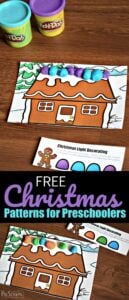


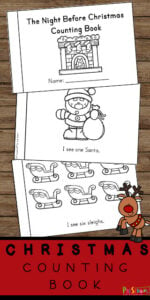

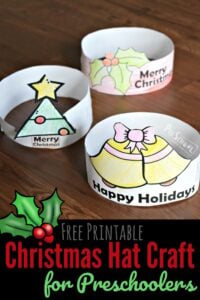

Christmas Activities for Preschoolers
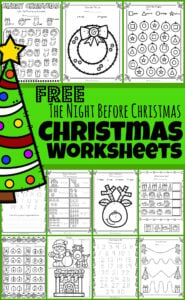
- Twas the night before christmas worksheets, FREE Christmas Worksheets for Preschool, Tree Letter Find Christmas Worksheets, and cute Christmas Alphabet Game
- Adorable Fingerprint Reindeer Craft and Christmas Color Sheets for Preschool
- Christmas Do a Dot Printables and printable Activities on Christmas for Preschool
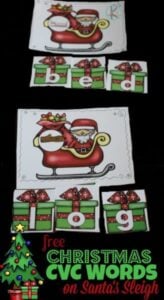
- Super cute Free Printable Christmas Worksheets for prek-2nd graders, Gingerbread Christmas Alphabet Game, Christmas Word Family Activities, and Santa’s Sleigh CVC Word Christmas Worksheets
- Fun-to-read Christmas books for preschoolers
- Gingerbread Alphabet Tracing – Christmas Activity for Preschoolers and Holiday Gingerbread Sight Words – Christmas Activities for Kindergarteners or These Christmas sight Word Games
- Color recognition Christmas Games for Preschoolers and Christmas Alphabet Printable Stockings for practice writing alphabet letters
- FUN Rudolph Race Game, Free printable Christmas Scavenger Hunt, and Christmas Worksheets for going around the world in December, Free Christmas Games Pictionary, BINGO – a printable Free Christmas Games, and 12 Days of Christmas Coloring Pages plus cute Christmas Playdough Mats
- Growing Candy Canes activity with FREE printable and December Holiday Coloring Pages for Kids
- Christmas Name Craft and Activity for Preschoolers and Christmas I Spy Printable Worksheets
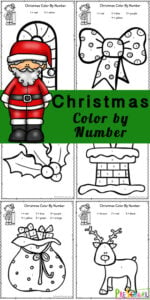
- Christmas Color by Number Worksheets, Number Sense Candy Cane Math, playdough patterns Christmas Math Activities, Do-a-Dot Elf Worksheets for counting to 10, and Shape Gingerbread Worksheets for Christmas
- Practice Counting to 20 with these Christmas Tree Playdough Mats, Gingerbread Man Dot to Dot Worksheets
- Count to 10 Twas the Night Before Christmas Activities – read, color & learn
- Bauble Christmas Ornament Craft with FREE Printables, Snowman Handmade Greeting Cards, Homemade Christmas Cards Ideas for Kids, Colorful Chromatography Snowflake Craft for Kids
- Construction Paper Christmas Wreath Craft Decoration for Kids, Christmas Candle Craft , Snow Clay for Christmas Ornament Crafts, Easy Snowman Paper Craft, and 200 EPIC Christmas Crafts and Activities
- Amazing Puffy Snow Paint, Easy Paper Strip Christmas Tree, Stunning Melted Crayon Ornaments
- 31 December Activities for Kids, learn How to Make Salt Dough Christmas Ornaments, Easy-to-Make Christmas Hat Template for Kids, and Snowman Handprint Ornament – super cute keepsake craft
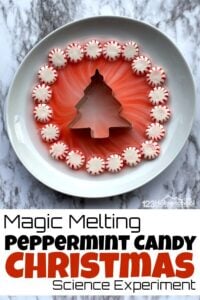
- Beautiful Chromatography Christmas Science Activities for Preschoolers, Christmas Science Lime Battery. Fizzy Ornaments Christmas Science Experiments, and Melting Peppermints Christmas Science Experiment
- Fizzy Gingerbread Man Christmas Science Experiment, Lots of Christmas Science Experiments Kids will love!
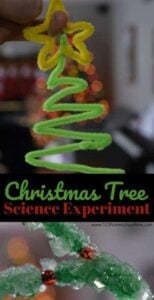
- Beautiful Borax Crystal Christmas Tree Science Experiment, Melting Christmas Tree Science Experiment for December, Rudolph Christmas Science Experiments, and Christmas Magic Milk Experiment
- Ornaments-Go-Round Christmas Science Experiments, Gumdrops Ornaments Made with Christmas Science Experiment, Gingerbread Puffy Paint Recipe, Christmas Fluffy Slime Recipe, and Easy Candy Cane Science Experiment, Simple Oil and Water Christmas Science Experiment, or Frost in a Can Winter Science Experiment, plus Snow Volcano Science Experiment